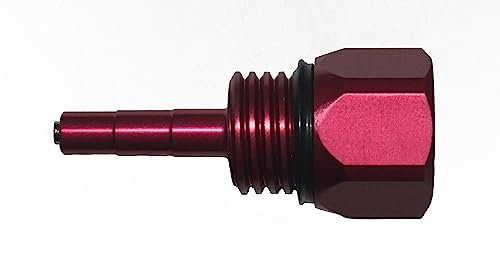
Power outages are more than an inconvenience; they're a test of preparedness. And when you're relying on a powerhouse like the Predator 9500 inverter generator, you've already made a smart choice. But owning a generator is just the first step. To truly unlock its full potential—maximizing its convenience, safety, and longevity—you need the right Essential Accessories for the Predator 9500 Generator. Think of these additions not as mere extras, but as critical components that transform a good generator into an indispensable lifeline.
This guide dives deep into the must-have accessories, cutting through the noise to tell you what genuinely enhances your Predator 9500 experience. From seamless remote control to bulletproof fuel management, we'll cover everything you need to know to make your generator work harder, smarter, and safer for you.
At a Glance: Essential Predator 9500 Accessories
- Remote Start Kit: Start and stop your generator from up to 100 feet away, even while maintaining manual control.
- Extended Run Time Fuel Kit: Keep your generator running for extended periods without interruption, safely switching fuel tanks on the fly.
- Heavy-Duty Extension Cords: Safely distribute power with the correct gauge and length for your specific needs.
- Generator Cover: Protect your investment from weather, dust, and UV damage.
- Carbon Monoxide (CO) Detector: A non-negotiable safety device for any generator operation.
- Fuel Stabilizer & Fresh Fuel Cans: Ensure reliable starts and prevent engine issues.
- Quality Oil & Maintenance Kit: Keep your generator running smoothly for years to come.
- Grounding Kit: Essential for safety, particularly for construction sites or certain home backup scenarios.
Beyond the Box: Why Your Predator 9500 Needs Smart Upgrades
The Predator 9500 is an impressive machine right out of the box, offering robust power in a relatively compact inverter package. It’s designed to be reliable, whether you're powering a job site, tailgating, or providing critical backup during a home emergency. However, even the best tools can be made better.
Accessories aren't just about bells and whistles; they're about practical enhancements that address real-world challenges. Imagine not having to step outside in a storm to start your generator, or extending its run time significantly during a prolonged outage. These aren't luxuries; they're vital improvements that enhance safety, convenience, and the sheer effectiveness of your power solution. Equipping your Predator 9500 with the right gear ensures you’re not just prepared, but truly ready for anything. For a deeper dive into the generator itself, you can always Explore the Predator Generator 9500 and its core features.
The Game Changers: Remote Start and Extended Fuel Solutions
These are perhaps the most transformative accessories you can add to your Predator 9500. They directly address two common pain points: the need for proximity to operate your generator, and the hassle of frequent refueling.
Seamless Control at Your Fingertips: The Remote Start Kit
Picture this: The power goes out in the middle of the night. Instead of fumbling in the dark, venturing into the rain or cold, you simply press a button from the comfort of your home, and your Predator 9500 roars to life. That’s the magic of a remote start and stop kit.
Specifically designed for the Predator 9500w Inverter Generator, these kits are no longer a dream but a reality. Many are "Plug & Play," meaning they're designed for easy installation, often taking an hour or less for anyone with basic DIY skills. The best kits maintain your generator's manual start capabilities, ensuring you're never stranded if the remote is lost or needs new batteries.
Key Benefits of a Remote Start Kit:
- Convenience: Start or stop your generator from up to 100 feet away, eliminating the need to physically access the unit in adverse conditions or simply for quick power management.
- Safety: Avoid exposure to harsh weather, dark conditions, or potential hazards by operating your generator from a safe distance.
- Flexibility: Easily revert to manual operation if needed, and many kits are designed to be removable for warranty work without permanent modification.
- Quick Power Restoration: Get your essential appliances running faster when the grid goes down.
These hand-assembled kits, like those from Generator Upgrade Supply in Peoria, AZ, show how specialized solutions can dramatically improve user experience. Just be sure to follow installation instructions carefully, as improper setup could lead to issues.
Uninterrupted Power: Extended Run Fuel Systems
One of the biggest frustrations during a prolonged power outage is having to constantly monitor and refuel your generator. Not only is it inconvenient, but it also means temporarily shutting down your power supply. Extended run time fuel kits solve this problem elegantly and safely.
These kits allow your Predator 9500 to draw fuel from an external, larger fuel tank, significantly extending its operational duration without needing to stop and refill its internal tank. What makes the best systems truly stand out is their ability to transfer fuel using an internal pump, rather than relying on gravity. This means your remote fuel tank doesn't need to be strategically elevated above the generator, offering much more flexibility in placement.
Advantages of an Extended Run Time Fuel Kit:
- Continuous Operation: Run your generator for hours, or even days, without interruption, a critical feature during extended emergencies.
- Seamless Tank Switching: The most advanced systems allow you to switch from an empty internal tank to a full external tank while the generator is running, eliminating downtime.
- Enhanced Safety: Reduces the frequency of handling gasoline, especially when hot or in adverse conditions.
- Convenience: Less monitoring and fewer trips to the generator, freeing you up to focus on other priorities.
Companies like Pinellas Power Products specialize in these reliable and easy-to-install systems, designing them specifically for models like the Predator 9500. This kind of upgrade moves your generator from a stop-and-go solution to a truly continuous power source.
Power Distribution and Safety First: Electrical Essentials
Once your generator is running, how do you safely and effectively get that power where it's needed? And how do you protect yourself and your family from unseen dangers?
Heavy-Duty Extension Cords: Not All Cords Are Created Equal
Using the wrong extension cord with a powerful generator like the Predator 9500 is a recipe for disaster. Thin, household cords can overheat, melt, or even start fires when carrying the high amperage a generator produces.
What to Look For:
- Gauge (AWG): Lower numbers mean thicker wires, capable of handling more power. For a 9500-watt generator, you'll want 10-gauge (10 AWG) cords for anything more than a short run, and possibly even 12 AWG for shorter, less demanding runs. Never go below 14 AWG for general use.
- Length: Keep cords as short as possible to minimize voltage drop and heat buildup.
- Ratings: Ensure cords are rated for outdoor use and have sufficient amperage capacity for your devices.
- Outlets: Look for cords with multiple outlets or adapter ends, especially if you need to power different types of devices. The Predator 9500 features various outlets (120V 20A, 120V 30A twist lock, 120V/240V 30A twist lock, USB), so ensure your cords match.
- Generator Cords: Consider dedicated generator extension cords that have specific twist-lock connectors (L5-30P, L14-30P) that match your generator's higher-amperage outlets.
Transfer Switches: Integrating Your Generator Safely
For home backup, a transfer switch isn't just an accessory; it's a safety imperative. It allows you to safely connect your generator to your home's electrical panel, powering selected circuits without the risk of backfeeding electricity into the utility grid (which can be deadly for utility workers) or damaging your appliances.
Types of Transfer Switches:
- Manual Transfer Switch: Requires you to manually switch your home's power source from utility to generator and vice versa. It’s a dedicated, hardwired solution.
- Automatic Transfer Switch (ATS): Automatically detects a power outage, starts your generator, and transfers power. When utility power returns, it shuts down the generator and switches back. While an ATS is a larger investment and typically for whole-home standby generators, understanding the principle of safe integration is key.
While a transfer switch is a more involved installation, typically by a licensed electrician, it's the gold standard for safely powering your home with a generator. For simply running individual appliances, heavy-duty extension cords are sufficient, but never plug your generator directly into a wall outlet.
CO Detectors: Your Lifeline in Power Outages
This is non-negotiable. Every year, people die from carbon monoxide poisoning due to improper generator use. Carbon monoxide (CO) is an odorless, colorless, and deadly gas. Since generators produce CO, they must always be operated outdoors, far away from windows, doors, and vents.
A battery-operated carbon monoxide detector should be placed inside your home, especially in sleeping areas, anytime your generator is running. Consider it the most vital "accessory" you can buy for your safety. Always test it regularly.
Grounding Kits: The Unseen Shield
While many modern inverter generators like the Predator 9500 have floating neutral designs that may not require external grounding for general use (especially when using cord-and-plug connections for appliances), certain applications, such as connecting to a transfer switch or for use on a construction site, might necessitate a grounding rod.
A basic grounding kit usually includes a copper rod and a heavy-gauge wire with clamps. Always consult your generator's manual and local electrical codes to determine if grounding is required for your specific setup. When in doubt, err on the side of caution or consult a licensed electrician.
Protecting Your Investment: Covers, Carts, and Security
Your Predator 9500 is a significant investment. Keeping it protected from the elements, making it easy to move, and securing it from theft are all crucial aspects of long-term ownership.
All-Weather Covers: Shielding Against the Elements
Even if you store your generator indoors, it might spend time outside during use or in transit. A quality generator cover is a simple, effective way to protect it from:
- Weather: Rain, snow, and UV rays can degrade plastic components and cause rust.
- Dust and Debris: Keeps the engine and electrical components clean.
- Minor Bumps and Scratches: Adds an extra layer of protection during storage or transport.
Look for covers made from durable, waterproof, and UV-resistant materials. Some covers even allow for operation while installed if they have vents or flaps for airflow, though generally, a cover should be removed during prolonged operation to prevent overheating.
Mobility Kits & Wheel Upgrades: Moving with Ease
The Predator 9500 weighs around 110-120 lbs dry. While it comes with built-in wheels and a handle, improving its mobility can save your back.
- Upgraded Wheels: Sometimes, the factory wheels are adequate for flat surfaces but struggle on rough terrain. Larger, pneumatic (air-filled) wheels can make a significant difference if you frequently move your generator across grass, gravel, or uneven ground.
- Folding Handles: Ensure the handle is robust and comfortable, allowing for easy maneuvering without straining.
If you find yourself struggling to move your generator, investing in better wheels or a more ergonomic handle design could be a game-changer.
Security Kits: Keeping Your Generator Safe
A portable generator is an attractive target for thieves. Don't make it easy for them.
- Heavy-Duty Cable Locks: A thick, cut-resistant steel cable lock secured to a sturdy, immovable object (like a tree or a permanent structure) can deter casual theft.
- Ground Anchors: For more permanent placement, consider a ground anchor that can be cemented into place, providing a robust tether point.
- Alarm Systems: Motion-activated alarms can add another layer of security, notifying you if someone is tampering with your generator.
- Discreet Placement: When possible, place your generator out of plain sight, especially at night or when you're away from the property.
Keeping It Running: Essential Maintenance & Fuel Management
The best accessory is one that keeps your generator performing optimally year after year. Proactive maintenance is key to reliability.
Generator Maintenance Kits: The Ounce of Prevention
Many manufacturers or third-party suppliers offer comprehensive maintenance kits tailored for specific generator models. These typically include:
- Air Filter: A clean air filter is crucial for engine performance and longevity, preventing dirt and debris from entering the engine.
- Spark Plug: A fresh spark plug ensures reliable starting and efficient combustion.
- Oil Filter (if applicable): Some generators have oil filters that need regular replacement.
- Fuel Filter (if applicable): Keeps fuel clean and prevents carburetor clogging.
Having a kit on hand makes routine maintenance simple, ensuring you have the right parts when you need them.
Fuel Stabilizers & Proper Storage: Guarding Against Gum-Ups
Gasoline, especially ethanol-blended fuel, can degrade rapidly, particularly when stored for extended periods. This breakdown can lead to sticky residues that clog the carburetor and fuel lines, causing hard starts or no-starts.
- Fuel Stabilizer: Always add a high-quality fuel stabilizer to any gasoline that will sit in the generator or in storage cans for more than a few weeks. This prevents oxidation and keeps the fuel fresh. Run the generator for a few minutes after adding stabilizer to ensure it circulates throughout the fuel system.
- Fresh Fuel Cans: Store gasoline in approved, sealed fuel cans in a cool, dry, well-ventilated area away from ignition sources. Rotate your fuel supply regularly, using older fuel first and refilling with fresh.
Quality Oil: The Lifeblood of Your Engine
Just like your car, your generator needs the correct type and weight of engine oil, and it needs regular oil changes. Refer to your Predator 9500 manual for specific recommendations on oil type (e.g., 10W-30, 5W-30) and oil change intervals. Using the wrong oil or neglecting changes can drastically shorten your engine's lifespan.
Spare Spark Plugs & Air Filters: Quick Fixes
Even with regular maintenance, a spark plug can foul, or an air filter can get clogged unexpectedly. Having spares means you can quickly diagnose and fix common starting or running issues without a trip to the store. These are inexpensive items that can save you a lot of frustration when you need power most.
Making Smart Choices: A Buyer's Guide to Accessories
With so many options available, how do you decide which accessories are truly "essential" for your Predator 9500?
Compatibility Checks: Don't Guess, Confirm!
This is paramount. Just because an accessory is for "generators" doesn't mean it's right for your Predator 9500.
- Model Specificity: Many of the best upgrades, like remote start kits and extended run fuel systems, are designed specifically for the Predator 9500w Inverter Generator. Always confirm the accessory is compatible with your exact model.
- Voltage and Amperage: For electrical accessories like cords and adapters, ensure their voltage and amperage ratings match or exceed your generator's output and your appliance's demands.
- Read Reviews: Look for feedback from other Predator 9500 owners who have purchased the same accessory.
Prioritizing Needs: What's Essential for You?
Your "essential" list might differ slightly based on your primary use case:
- Home Backup: Remote start, extended run kit, transfer switch (professional install), CO detector, fuel stabilizer, heavy-duty cords.
- RV/Camping: Remote start, security cable, fuel stabilizer, compact storage solutions, CO detector.
- Job Site: Heavy-duty cords, grounding kit, security measures, robust mobility solutions.
Consider your environment, how often you use the generator, and what level of convenience and safety you prioritize.
Quality Over Cost: Investing Wisely
When it comes to generator accessories, especially safety-related or critical functional upgrades, cheap alternatives can often cost you more in the long run. Skimping on heavy-duty cords, fuel systems, or CO detectors can lead to dangerous situations or costly repairs. Opt for reputable brands and read reviews to ensure quality and reliability.
Common Mistakes to Avoid with Generator Accessories
Even with the best intentions, some common pitfalls can undermine your generator's performance or compromise safety.
- Using Indoor-Rated Extension Cords Outdoors: These cords are not designed to withstand weather, temperature extremes, or physical wear and tear of outdoor use, leading to insulation breakdown and electrical hazards.
- Neglecting Fuel Maintenance: Stale fuel is the number one cause of generator starting problems. Always use fresh, stabilized fuel.
- Operating Without a CO Detector: Believing "it won't happen to me" is a dangerous gamble. CO detectors are inexpensive, vital life-saving devices.
- Improper Storage: Leaving your generator exposed to the elements without a cover, or storing it with old fuel, will significantly reduce its lifespan and reliability.
- Overloading the Generator: While the Predator 9500 is powerful, continuously drawing more wattage than its rated capacity can damage both the generator and your connected appliances. Use a wattmeter or carefully calculate your load.
- Ignoring the Manual: Your Predator 9500's owner's manual contains crucial information about safe operation, maintenance schedules, and compatible accessories. Refer to it often.
Power Up Your Preparedness: Your Next Steps
Equipping your Predator 9500 with the right accessories isn't just about owning more gear; it's about investing in peace of mind. Whether you're facing an unexpected power outage, enjoying the great outdoors, or powering a remote project, these essential additions elevate your generator from a simple power source to a truly reliable and user-friendly system.
Start by assessing your current setup and identifying which accessories would offer the most immediate benefit for your specific needs. Prioritize safety items like a CO detector, then look at convenience enhancers like the remote start kit, and finally, consider longevity boosters like a robust maintenance plan and fuel management system. By making these thoughtful additions, you're not just ready for anything – you're truly prepared.