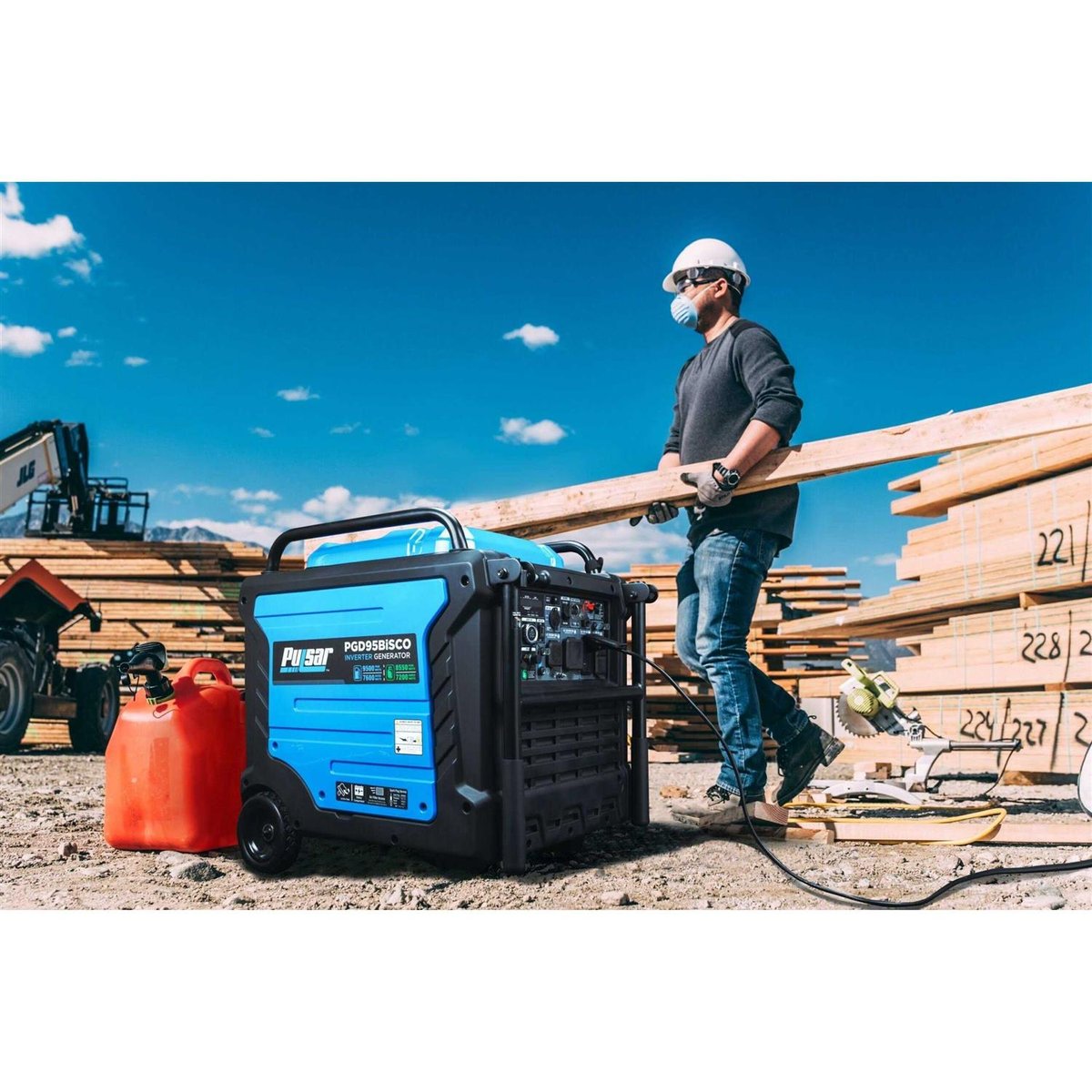
When the power goes out, your Predator 9500 generator isn't just a convenience—it's a lifeline. It powers your essentials, keeps your family safe, and maintains a sense of normalcy when the grid goes dark. But like any critical piece of equipment, your Predator 9500 won't perform at its peak without a little TLC. That's why maintaining your Predator 9500 generator isn't just a good idea; it's essential for ensuring it fires up reliably every single time.
Think of generator maintenance as a partnership. You provide the care, and your Predator 9500 provides the unwavering power. This isn't about complicated mechanics; it's about a few simple, routine checks and changes that can dramatically extend its lifespan, prevent costly breakdowns, and most importantly, keep you and your loved ones safe. Ready to become a generator guardian? Let's dive in.
At a Glance: Key Takeaways for Predator 9500 Maintenance
- Safety First, Always: Never, ever operate your generator indoors. Carbon monoxide is a silent killer.
- Regular Checks Are Key: Before every start, inspect oil, air filter, and fuel.
- Timely Oil Changes: Crucial for engine health; aim for every 6 months or 100 hours.
- Clean Air Matters: Your air filter needs attention every 3 months or 50 hours.
- Spark of Life: Check and clean your spark plug and spark arrestor every 6 months or 100 hours.
- Fuel Management: Use fresh, stabilized fuel, and know how to store your generator long-term.
- Consult Your Manual: It’s your ultimate guide for specific details and advanced service.
Why Generator Maintenance Isn't Just "Nice to Have" – It's Non-Negotiable
Let's be clear: a generator is an investment in peace of mind. But an unmaintained generator is a ticking time bomb, both in terms of potential failure and safety hazards. Regular upkeep ensures your Predator 9500 operates efficiently, reducing fuel consumption and emissions, and preventing premature wear and tear on vital components.
Beyond performance and longevity, there's a critical safety aspect. A poorly maintained generator can pose serious risks, from fuel leaks to exhaust system blockages, which can contribute to the silent, deadly threat of carbon monoxide (CO) poisoning. Understanding the fundamentals of your Predator 9500 generator goes hand-in-hand with safety.
Your Golden Rule: Safety Above All Else
Before we even touch a wrench or pour a drop of oil, let's nail down the most important rule:
NEVER use your Predator 9500 generator indoors. This includes garages, sheds, basements, or any enclosed or partially enclosed space, even with doors and windows open. Carbon monoxide is colorless, odorless, and can kill you in minutes.
- Position your generator at least 20 feet away from your home or any other structure.
- Point the exhaust away from people, animals, and buildings.
- Ensure adequate ventilation and airflow around the unit.
- Install CO detectors with battery backup in your home.
This isn't just a suggestion; it's a matter of life and death.
Your Pre-Flight Checklist: Before Every Start-Up
Just like a pilot inspects their aircraft before takeoff, you should conduct a quick check of your Predator 9500 before every use, whether it’s for an emergency or routine exercise. This simple routine takes mere minutes but can prevent major headaches.
- Fuel Check: Fresh & Stabilized is Best.
- The Problem: Stale gasoline can gum up your carburetor and fuel lines, leading to starting issues and poor performance. Ethanol in modern fuel is particularly notorious for causing problems over time.
- Your Action: Always use fresh gasoline (preferably non-ethanol if available) mixed with a quality fuel stabilizer according to the instructions. Fill the tank with this mixture. Check the fuel level before starting to ensure you have enough for your anticipated run time. Never refuel a hot generator.
- Oil Level: The Engine's Lifeblood.
- The Problem: Running an engine with low oil can cause catastrophic damage due to friction and heat.
- Your Action: Open the oil fill access door, remove the oil fill plug, and check the dipstick. Ensure the oil level is at the "full" mark. If it's low, top it off with the recommended oil type (typically SAE 10W-30 for general use, but always double-check your manual for specific temperature ranges).
- Air Filter: Keep It Breathing Easy.
- The Problem: A clogged air filter restricts airflow, leading to reduced power, increased fuel consumption, and potentially engine damage from dust and debris.
- Your Action: A quick visual inspection is usually enough. If it looks visibly dirty, dusty, or oily, it's time for a cleaning or replacement. We'll cover how in detail below.
Once these checks are complete, you're ready to proceed with the starting sequence (ESC switch OFF, START/RUN, push start or pull handle, wait for OUTPUT, then slowly turn to RUN before attaching loads).
The Heart of the Beast: Engine Oil Changes
Engine oil is perhaps the most critical component for your Predator 9500's longevity. It lubricates moving parts, dissipates heat, and prevents corrosion. Over time, oil breaks down and collects contaminants, losing its effectiveness.
When to Change It:
The Predator 9500 user guide recommends changing the engine oil every 6 months or 100 hours of operation, whichever comes first. This is a crucial interval for maintaining peak performance.
What You'll Need:
- New engine oil (check your manual for the specific type and viscosity, e.g., SAE 10W-30).
- Oil drain pan.
- Funnel.
- Rags or shop towels.
- Wrench (if needed for the drain cap, though often hand-tight).
Step-by-Step Oil Change Guide:
- Warm Up the Engine (Briefly): Running the generator for a few minutes before draining will warm the oil, making it flow out more easily. Crucially, turn the generator OFF and allow it to cool slightly before proceeding.
- Access the Panel: Locate and open the access panel on the side of your Predator 9500. This usually involves undoing a few latches or screws.
- Pull Out the Drain Hose: Gently pull the Oil Drain Hose out of its storage position within the generator. This hose is designed to make draining cleaner.
- Position Drain Pan: Place your oil drain pan directly beneath the end of the oil drain hose.
- Remove the Drain Cap: Carefully remove the Oil Drain Cap from the end of the hose. Be prepared for oil to start flowing immediately.
- Drain Completely: Allow all the old oil to drain into the pan. This might take several minutes. You can tilt the generator slightly (if safe and stable) to help ensure all oil is removed.
- Replace Cap: Once drained, replace the Oil Drain Cap securely onto the end of the hose.
- Re-stow Hose: Push the Oil Drain Hose back into its designated position within the generator.
- Refill with Fresh Oil: Using a funnel, slowly pour the new, recommended engine oil into the oil fill opening.
- Important: Fill to the "full" level indicated on the dipstick. Do not overfill.
- Check Level & Secure: Insert the dipstick, remove, and check the level. Adjust as needed. Once satisfied, replace the oil fill plug and close the access door.
- Proper Disposal: Dispose of the used oil responsibly at an automotive service center or recycling facility. Never pour it down a drain or into the trash.
Breathing Easy: Air Filter Care
Your generator's engine needs clean air to mix with fuel for efficient combustion. The air filter is its first line of defense against dust, dirt, and debris that could otherwise cause severe internal damage.
When to Clean/Replace It:
The Predator 9500 manual advises cleaning or replacing the air filter every 3 months or 50 hours of operation. If you operate in dusty conditions, you might need to check and service it more frequently.
What You'll Need:
- Mild soap and water (for foam filters).
- Engine oil (for foam filters).
- New air filter (if replacing).
- Rags.
Step-by-Step Air Filter Service:
- Open Access Panel: As with oil changes, you'll typically need to open an access panel to reach the air filter housing.
- Remove Filter Cover: Unclip or unscrew the air filter cover.
- Inspect and Remove Filter: Carefully remove the air filter element.
- Foam Filter: If it's a foam filter, inspect it for tears or excessive deterioration. If it's intact but dirty, you can wash it in warm water with a mild detergent. Rinse thoroughly until the water runs clear, then squeeze out excess water and allow it to air dry completely. Once dry, lightly saturate it with clean engine oil and squeeze out the excess (it should be damp, not dripping).
- Paper Filter: If it's a paper filter, inspect it for tears, holes, or excessive dirt. Paper filters generally cannot be effectively cleaned and should be replaced if dirty. Do not use compressed air, as this can damage the filter's media.
- Clean Housing: Wipe out any dirt or debris from the air filter housing.
- Reinstall or Replace: Place the cleaned and oiled foam filter, or a new paper filter, back into the housing.
- Secure Cover: Replace the air filter cover and secure the access panel.
A clean air filter not only protects your engine but also ensures your generator runs with optimal fuel efficiency and power, a key aspect of maximizing your Predator 9500's performance.
Sparking Life: Checking & Cleaning Your Spark Plug
The spark plug provides the crucial spark that ignites the fuel-air mixture in the combustion chamber. A fouled, worn, or improperly gapped spark plug can lead to hard starting, misfires, reduced power, and increased fuel consumption.
When to Check/Clean It:
The maintenance schedule suggests checking and cleaning your spark plug every 6 months or 100 hours of operation.
What You'll Need:
- Spark plug wrench (sized correctly for your plug).
- Wire brush or spark plug cleaner.
- Feeler gauge (for gapping, if needed – consult your manual for the correct gap).
- New spark plug (if replacing).
Step-by-Step Spark Plug Service:
- Locate and Disconnect: Identify the spark plug boot (the thick wire leading to the top of the engine). Gently twist and pull the boot to disconnect it from the spark plug.
- Remove Spark Plug: Use your spark plug wrench to carefully unscrew the spark plug. Turn counter-clockwise. Be careful not to cross-thread or force it.
- Inspect: Examine the tip of the spark plug.
- Normal: Light tan or grayish-brown deposits indicate proper engine operation.
- Fouled: Oily, black, or heavily carbonized deposits suggest issues like rich fuel mixture or oil burning, requiring further investigation.
- Worn: Eroded electrodes mean it's time for a replacement.
- Clean (if reusable): If the plug is merely carbon-fouled but otherwise in good condition, use a wire brush or spark plug cleaner to remove deposits from the electrodes.
- Check Gap: Use a feeler gauge to check the gap between the center and side electrodes. If it's not within your manual's specifications, carefully adjust the side electrode. Consult your user manual for the precise gap specification.
- Reinstall or Replace: Screw the spark plug back into the cylinder head by hand first to avoid cross-threading. Once finger-tight, use the wrench to tighten it another 1/2 to 3/4 turn (or as specified by your manual). Do not overtighten.
- Reconnect: Push the spark plug boot firmly back onto the spark plug until it clicks into place.
Taming the Sparks: Spark Arrestor Maintenance
The spark arrestor is a mesh screen in your generator's muffler designed to prevent hot carbon particles (sparks) from exiting the exhaust and potentially igniting dry vegetation or other flammable materials. If it becomes clogged, it can restrict exhaust flow, leading to reduced power and overheating.
When to Clean It:
Your Predator 9500's spark arrestor should be cleaned every 6 months or 100 hours of operation.
What You'll Need:
- Screwdriver (Phillips or flathead, depending on fasteners).
- Wire brush.
- Safety glasses.
Step-by-Step Spark Arrestor Service:
- Locate: The spark arrestor is typically located at the end of the muffler, usually secured by a few screws. Ensure the generator is completely cool before starting.
- Remove Cover (if applicable): Some models have an outer cover that needs to be removed first.
- Remove Arrestor: Unscrew the fasteners holding the spark arrestor in place and carefully pull it out.
- Clean: Use a wire brush to vigorously scrub away carbon deposits from the mesh screen. Ensure all holes are clear. If it's heavily clogged or damaged, replacement might be necessary.
- Inspect: Check the spark arrestor for any holes or tears in the mesh. A damaged arrestor should be replaced.
- Reinstall: Place the cleaned spark arrestor back into the muffler and secure it with its fasteners. Replace any covers removed.
Fuel System Health: A Longer-Term View
While we stressed using fresh, stabilized fuel before every start, the fuel system itself requires attention over longer periods. This is especially true if your generator sits idle for extended durations.
Fuel Storage Wisdom:
- Always use a fuel stabilizer if you plan to store fuel for more than a month or if your generator will sit unused for longer than a few weeks. This prevents fuel degradation and gumming.
- Store fuel in approved containers in a cool, dry, well-ventilated area, away from direct sunlight and heat sources.
- Rotate fuel: Try to use up fuel within 6-12 months, even with stabilizer, and replace it with fresh fuel.
Yearly / 300-Hour Fuel System Maintenance:
The manual lists these items for annual service: - Clean fuel tank, strainer, and carburetor.
These tasks are more involved and often require specific tools and knowledge. While adventurous DIYers might tackle them, it's generally recommended that you consult a qualified service technician for these deeper fuel system cleanings. Improper disassembly or reassembly of the carburetor can lead to serious operational issues or fuel leaks. For a comprehensive overview of your generator, refer to your complete guide to the Predator 9500 generator.
Beyond the Basics: Annual & Advanced Checks
Your Predator 9500's maintenance schedule includes a few advanced checks that fall under the yearly or 300-hour mark. These are less about routine user service and more about ensuring the engine's internal components are operating within spec.
- Check idle speed: Ensures the engine is running smoothly at its lowest operating speed.
- Check valve clearance: Crucial for proper engine timing and compression. Incorrect valve clearance can lead to poor performance or engine damage.
- Clean combustion chamber: Removes carbon buildup that can affect engine efficiency and performance.
Unless you are an experienced small engine mechanic, these tasks are typically best left to a certified Predator service technician. They have the specialized tools and expertise to perform these adjustments correctly, ensuring your generator remains in top condition without risking damage from improper tinkering.
Common Questions & Troubleshooting Bites
Even with the best maintenance, questions can arise. Here are quick answers to some frequent queries about your Predator 9500:
Q: My generator won't start after sitting for a few months. What's wrong?
A: Most likely, stale fuel or a clogged carburetor. Modern gasoline can start to degrade in as little as 30 days, especially if not stabilized. Always use fresh, stabilized fuel, and consider draining the carburetor or running it dry before long-term storage.
Q: Why is my Predator 9500 running rough or surging?
A: Often this points to a dirty air filter, a fouled spark plug, or fuel delivery issues (clogged fuel filter, dirty carburetor). Start by checking the air filter and spark plug.
Q: Can I run my Predator 9500 with old gasoline if I add stabilizer?
A: Not recommended. While stabilizer can prevent new fuel from degrading, it won't reverse the effects of already degraded fuel. Always start with fresh fuel for optimal performance and to avoid fuel system clogs.
Q: What is the "Economy Switch (ESC)" for, and when should I use it?
A: The Economy Switch (ESC) reduces engine speed when no electrical load is applied, saving fuel and reducing noise. Turn it OFF for starting (to ensure full power for ignition), and ON once the generator is running and you have minimal loads, or if you want to conserve fuel. For sustained high loads, it's often best to leave it off.
Your Maintenance Mindset: Staying Ahead of the Game
Maintaining your Predator 9500 generator effectively boils down to proactive planning and consistent effort. Here’s how to cultivate a maintenance mindset:
- Keep a Maintenance Log: A simple notebook or spreadsheet can track hours of operation, oil changes, air filter services, and other key tasks. This helps you adhere to the schedule and anticipate upcoming needs.
- Save Your Manual: Your user guide is your ultimate reference. Keep it in a safe, dry place near your generator or stored digitally for easy access. It contains specific details about your model, including torque specifications, part numbers, and troubleshooting charts. Don't underestimate the value of this essential Predator 9500 resource.
- Invest in Quality Supplies: Good oil, fresh fuel stabilizer, and OEM (Original Equipment Manufacturer) or high-quality aftermarket parts make a difference. Don't cut corners on consumables.
- Regular Exercise: Even if you don't need your generator, start it up once a month for 15-30 minutes under a light load (e.g., a few lights or a fan). This circulates oil, keeps seals lubricated, and burns off old fuel, preparing it for when you truly need it.
Confident Power: Your Reward for Proactive Care
There's a unique satisfaction that comes from knowing your emergency power source is primed and ready. By consistently maintaining your Predator 9500 generator, you're not just preserving a machine; you're safeguarding your comfort, convenience, and safety. These routine tasks might seem small, but collectively, they ensure your generator is a reliable sentinel against power outages, ready to roar to life whenever you need it most. Stay safe, stay powered.