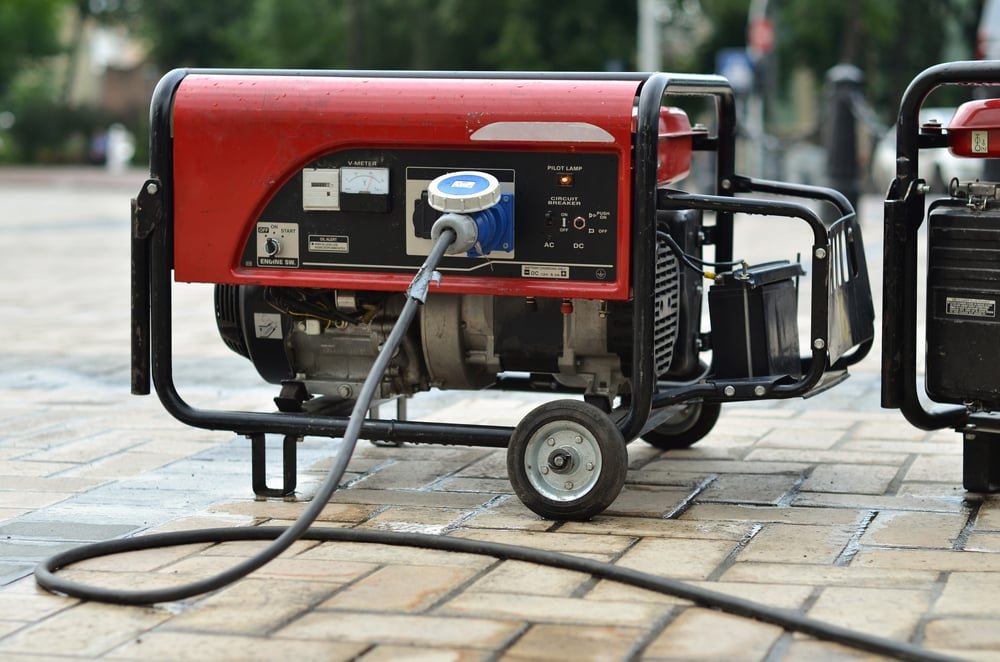
When your Predator 9500 generator acts up, it’s rarely a minor inconvenience. It’s usually an urgent call for power when you need it most. Whether you’re dealing with a storm outage, a remote job site, or a weekend camping trip, understanding and Troubleshooting Common Predator 9500 Generator Issues is crucial for getting back online swiftly and safely. This guide cuts through the technical jargon to give you practical, actionable steps, transforming frustrating breakdowns into manageable fixes.
Think of your generator as a hardworking team player; sometimes it just needs a little coaching. Let's get it purring again.
At a Glance: Quick Fixes for Common Predator 9500 Woes
- Won't Start? Check fuel level, fuel quality (fresh gas is key!), spark plug, and air filter. For electric start, ensure the battery is charged.
- Starts, Then Dies? Often old fuel, a clogged fuel vent, or a dirty air filter/spark plug are the culprits.
- Leaking Gas? Immediately address this safety hazard. Inspect the carburetor, fuel lines, filter, and shut-off valve.
- Bogs Down Under Load? Likely an air/fuel restriction or you're simply asking too much of it (overload).
- Keeps Shutting Off? Beyond the above, consider low oil (the sensor will trigger a shutdown), electrical issues, or extreme environmental factors.
- Safety First: Always disconnect the spark plug wire and allow the engine to cool before attempting any repairs. Consult your operator’s manual.
Every generator owner eventually faces a moment of silence from their machine. But with a bit of know-how and a methodical approach, most common Predator 9500 issues are surprisingly fixable. The key is to understand the fundamental systems at play: air, fuel, and spark. Interrupt any one of these, and your generator becomes a very expensive paperweight.
The Foundation: Always Prioritize Safety
Before you touch anything, remember these critical safety steps:
- Disconnect the Spark Plug Wire: This prevents accidental engine starts.
- Let it Cool Down: Hot engine components can cause severe burns.
- Consult Your Manual: Your Predator 9500 operator’s manual contains model-specific information and safety warnings you should always review.
- Work in a Well-Ventilated Area: Especially when dealing with fuel.
Now, let's dive into the common problems you might encounter.
When Your Predator 9500 Simply Won't Start
This is perhaps the most frustrating issue. A generator that won't start can stem from a few core areas.
It Won't Turn Over
"Won't turn over" means the engine isn't even rotating, regardless of whether it's trying to fire up.
- Manual Start (Recoil Starter): If you're pulling the cord and it feels stuck or unusually loose, inspect the recoil starter assembly. A broken spring or pawl could be preventing engagement.
- Electric Start (Battery & Ignition):
- Battery: A dead or weak battery is a common culprit. Check the battery terminals for corrosion and ensure they are tight. If the battery is low, try charging it.
- Ignition Switch: Sometimes the switch itself can fail. Ensure it's in the "ON" or "START" position. If nothing happens, it might need testing or replacement.
- Starter Solenoid: This acts as a relay between the battery and the starter motor. If you hear a click but no cranking, or nothing at all, the solenoid could be faulty.
It Turns Over, But No Ignition
The engine is rotating, but it's not catching and running. This points directly to the triumvirate of air, fuel, or spark.
- Clogged Fuel System or Old Fuel: Old gasoline, especially ethanol-blended fuel, can degrade and leave gummy residues that clog fuel lines, filters, and carburetor jets. If your generator has sat for a while with fuel in the tank, drain it and refill with fresh, stabilized fuel. Even a small restriction can prevent starting.
- Bad Spark Plug: The spark plug is essential for igniting the fuel-air mixture. Remove the spark plug and inspect it. Is it fouled with carbon, oil, or fuel? Is the electrode worn? A dirty or faulty spark plug can't produce a strong spark. Clean it with a wire brush or replace it with a new one of the correct type and gap.
- Faulty Ignition Coil: The ignition coil transforms battery voltage into the high voltage needed for the spark plug. If the coil is failing, the spark will be weak or non-existent. Testing an ignition coil typically requires a multimeter and some know-how, and replacement is generally a job for a mechanic if you're not comfortable.
- Plugged Air Filter: An engine needs a proper air-to-fuel ratio to run. A severely clogged air filter restricts airflow, essentially suffocating the engine. Remove and inspect the air filter. If it's dirty, clean it according to your manual (some are washable, some need replacement). A clean filter is vital for efficient operation.
It Starts, Then Quickly Dies
You pull the cord or hit the switch, it fires up, gives you a brief moment of hope, and then sputters out. This is often an extension of the "won't start" issues, meaning a critical component isn't maintaining its function.
- Old or Stale Gas: As mentioned, old fuel leaves gummy deposits. When the engine first starts, it might burn off some easily accessible fuel, but as it draws from restricted lines or a clogged carburetor, it quickly starves. Regularly check the condition of your fuel.
- Clogged Fuel Tank Vent: Your fuel tank needs to vent to allow air in as fuel is consumed. If the vent is clogged (e.g., by debris or rust), a vacuum can form in the tank, preventing fuel from flowing to the carburetor. Try loosening the fuel cap slightly (in a safe, non-running environment) to see if it makes a difference.
- Airflow Restrictions (Beyond the Air Filter):
- Plugged Spark Arrestor: The spark arrestor is a small screen in the muffler designed to prevent sparks from exiting. Over time, carbon buildup can clog it, creating excessive back pressure and suffocating the engine. It often needs to be cleaned or replaced.
- Spark Issues: A dirty spark plug or a faulty ignition coil can cause a weak, intermittent spark, leading to the engine sputtering and dying after a short run. Re-check the spark plug. For more insights into maintaining these critical components, explore best practices for generator fuel systems.
The Alarming Drip: Dealing with Gas Leaks
A gas leak is more than just messy; it's a significant safety hazard due to the risk of fire, explosion, and harmful fumes. It requires immediate attention.
- The Carburetor: This is a very common source of leaks.
- Failed Carburetor Bowl Gasket: The gasket sealing the float bowl can become brittle and crack, leading to drips.
- Stuck Internal Parts: If the float inside the carburetor gets stuck, it can cause the fuel needle valve to remain open, leading to an overflow of fuel from the carburetor's vent or drain.
- Fuel Filter: Inspect the fuel filter for cracks or loose connections. The filter housing itself can sometimes fail.
- Fuel Lines: Over time, fuel lines can crack, become brittle, or degrade, especially at connection points. Check for any visible damage or loose clamps.
- Fuel Shut-Off Valve: The valve that controls fuel flow from the tank can sometimes leak around its stem or connections.
- Fuel Tank: While less common, the fuel tank itself can develop cracks or rust spots that lead to leaks.
When you're dealing with fuel, always work outdoors or in a very well-ventilated area, and have a fire extinguisher nearby. For a comprehensive guide on keeping your equipment running smoothly and safely, understanding safely operating your generator is paramount.
Struggling Under Pressure: When Your Generator Bogs Down
Your Predator 9500 is running, but when you plug in an appliance or increase the load, the engine RPM drops significantly, it sounds like it's struggling, and power output might falter.
- Air or Fuel Restriction: Just like with starting issues, a partial restriction in either the air intake or fuel delivery system will manifest under load. The engine demands more fuel and air to produce more power, and if it can't get enough, it will bog down.
- Clogged Air Filter: Revisit this. Even a moderately dirty filter can restrict airflow when the engine is working hard.
- Partially Clogged Fuel Filter or Lines: The engine might get just enough fuel for idle, but not for full power.
- Dirty Carburetor: Specifically, the main jet within the carburetor can be partially clogged. This jet supplies fuel under higher load conditions.
- Overload: This is a very common and often overlooked cause. Your generator has a maximum wattage capacity. If you try to power more items than it's designed for, it will struggle, potentially bog down, and then either shut off (due to overload protection) or even suffer damage. Always calculate the total wattage of the devices you plan to run simultaneously. It's often helpful to stagger the startup of high-wattage appliances. Dive deeper into calculating your generator's wattage needs to prevent future overload issues.
The Unwanted Shutdown: Why Your Generator Keeps Cutting Out
A generator that suddenly shuts off can be frustrating. These issues often have straightforward solutions.
Fuel Follies
Fuel quality and delivery are paramount.
- Stale or Contaminated Fuel: Again, old or dirty fuel is a primary suspect. It can lead to sputtering and eventual shutdown as the engine struggles to combust it cleanly. Always use fresh, clean gasoline, and consider adding a fuel stabilizer if the generator won't be used for extended periods.
- Blockages in the Fuel Line: Dirt, debris, or gummy deposits can restrict fuel flow, especially when the engine is running and demanding a consistent supply. Regular cleaning and maintenance of your fuel system are crucial.
- Clogged Fuel Filter: A partially clogged filter will allow some fuel through, but not enough to sustain continuous operation, leading to a shutdown. Check and replace your fuel filter regularly.
- Dirty Carburetor: Buildup of dirt and grime within the carburetor can cause blockages in the tiny fuel passages. If cleaning the carburetor doesn't resolve the issue, it may need adjustment, or in severe cases, replacement.
Low Oil Alarm
Most modern generators, including the Predator 9500, are equipped with a low oil sensor. This safety feature automatically shuts off the engine if the oil level drops below a safe threshold, preventing catastrophic engine damage.
- Always Check Oil Levels: Before each use, ensure the oil level is at the recommended mark on the dipstick.
- Use the Correct Oil: Refer to your user manual for the recommended oil type and viscosity. This can vary based on seasonal temperatures.
- Faulty Low Oil Sensor: Rarely, the sensor itself can malfunction, triggering a shutdown even with adequate oil. You can test this by temporarily disconnecting the sensor wire (consult your manual for location and safety). Remember to reconnect it after diagnosis.
Electrical Component Failures
Problems with the electrical system can also cause unexpected shutdowns.
- Dirty or Worn Spark Plug: A weak or inconsistent spark from a fouled plug can lead to incomplete combustion and eventual engine stall. Regular inspection, cleaning, and replacement are important.
- Damaged or Loose Wiring: Inspect all visible wiring, especially around the ignition coil, spark plug, and control panel. Frayed wires or loose connections can interrupt electrical flow and shut down the engine. Tighten any loose connections and replace damaged wires.
Overload Protection
Your Predator 9500 is designed with a circuit breaker that trips (or the engine shuts down) if you exceed its maximum wattage capacity. This protects both the generator and your connected appliances.
- Calculate Total Wattage: Add up the running wattage of all devices you plan to connect. Always aim to stay well below the generator's surge and running wattage limits.
- Stagger High-Wattage Appliances: Avoid starting multiple high-draw appliances (like refrigerators, air conditioners, or power tools) simultaneously. Start them one at a time.
Environmental Factors
Sometimes, the environment itself can cause issues.
- Extreme Temperatures:
- Hot Weather: Running a generator in direct sun or high ambient temperatures without adequate ventilation can lead to overheating, causing the generator to shut down to protect itself.
- Cold Weather: Very cold temperatures can thicken the oil, making it difficult for the engine to crank and circulate lubricant, potentially leading to difficult starts or shutdowns. Using the correct multi-viscosity oil for cold weather is key. Consider preparing your generator for seasonal changes.
- High Altitudes: At higher elevations, the air is thinner, meaning there's less oxygen available for combustion. This causes the engine to run "rich" (too much fuel for the available air), leading to reduced power, poor performance, and potentially shutdowns. Carburetor adjustments are often necessary for consistent high-altitude operation.
Proactive Care: Your Best Defense Against Downtime
Many of these issues can be avoided with a consistent maintenance schedule. A little attention now saves a lot of headache later.
- The Power of Routine Maintenance: Follow your user manual's recommended service intervals diligently. This typically includes:
- Oil Checks and Changes: Regularly check oil levels and change the oil after the break-in period and then at recommended intervals. This is the lifeblood of your engine.
- Air Filter Replacement/Cleaning: A clean air filter ensures optimal airflow.
- Spark Plug Inspection/Replacement: A fresh spark plug ensures reliable ignition.
- Keep it Clean: Regularly clean the exterior of your generator, paying special attention to cooling vents and cooling fins. This ensures proper airflow, preventing overheating.
For a deeper dive into extending the life and reliability of your power source, routine generator maintenance tasks are indispensable. And to truly understand the capabilities and features that make your specific model a valuable tool, Discover the Predator Generator 9500 and its full potential.
When to Call in the Pros
While many common issues are DIY-friendly, there are times when professional help is the smartest choice.
- Recurring Issues: If a problem keeps coming back despite your best troubleshooting efforts, there might be a deeper, undiagnosed issue.
- Basic Troubleshooting Fails: You've gone through all the steps, and the generator is still not cooperating.
- Unusual Noises or Smells: Grinding sounds, knocking, or a persistent burning smell can indicate serious mechanical or electrical problems that require expert diagnosis.
- Complex Repairs: If the repair involves internal engine components, significant electrical work, or specialized tools you don't have, it's best to contact a licensed technician with experience in Predator generators. Their expertise can ensure an accurate diagnosis and safe, effective repair.
Troubleshooting Cheat Sheet
Here's a quick reference for common symptoms and their likely causes:
| Symptom | Likely Causes | Prevention/Solution |
|---|---|---|
| Generator Won't Start | Low/dead battery, clogged fuel, old fuel, bad spark plug, plugged air filter, faulty ignition. | Check fuel, charge battery, clean/replace spark plug & air filter, ensure ignition switch is ON. |
| Starts, Then Dies | Old/stale fuel, clogged fuel tank vent, restricted airflow (air filter/spark arrestor), weak spark. | Use fresh fuel, clear fuel tank vent, clean/replace air filter & spark arrestor, check spark plug. |
| Leaking Gas | Failed carburetor gasket, stuck float, cracked fuel lines/filter, leaking fuel valve/tank. | Immediately address. Inspect and replace faulty components. Ensure all connections are tight. |
| Bogs Down Under Load | Air/fuel restriction (dirty filter, clogged carb), overload. | Clean/replace air filter, clean carburetor, reduce load, check wattage calculations. |
| Keeps Shutting Off | Fuel issues, low oil, electrical failure, overload, extreme temperatures, high altitude. | Ensure fresh fuel, check oil level, inspect spark plug/wiring, reduce load, provide ventilation, adjust for altitude. |
| To prevent future shutdowns: |
- Adhere to a regular maintenance schedule.
- Always use fresh, clean fuel, especially if it contains ethanol.
- Keep your air filter clean.
- Inspect and clean/replace spark plugs regularly.
- Ensure oil levels are always at the recommended mark.
- Verify all connections (fuel lines, electrical wiring) are secure.
- Operate in a well-ventilated area, avoiding extreme temperatures.
- Never overload your generator.
Keep Your Power Flowing
Your Predator 9500 generator is an invaluable asset, especially when reliability matters most. By understanding these common issues, adopting a proactive maintenance mindset, and knowing when to call for expert help, you'll ensure your generator is ready to deliver power whenever you need it. A little attention goes a long way in keeping your power flowing smoothly.